

 MCScontrols.com
Design Process
Step 1: Sensor Selection
|
The thermistors are available with resistances ranging from 1k to 100k ohms at 25°C and operate within a temperature range of -40°C to +150°C. They feature a thermally conductive epoxy coating, and insulated lead wires are available as an option. Additional resistance values and materials can also be provided. Most thermistors listed have a maximum outer diameter of 0.095 inches, except for the EC1003Z model, which has a maximum OD of 0.125 inches, and the EC1004B model, which has a maximum OD of 0.135 inches. |

|
Step 2: Housing Design

|
A properly designed housing is critical to sensor performance. It locates the element in direct contact with the medium to be measured and protects the sensor from damage while allowing for the fastest possible thermal response. In addition to having a large selection of standard list precision closed end tubes, we offer a wide variety of machined stainless steel, brass, copper, and plastic housings. |
Step 3: 3D Modeling and Prototyping
|
Throughout the design process, we use 3D modeling as our means of communicating ideas to and getting feedback from our customers. Once the model is complete and approved, we often provide prototype units for test and evaluation. |
|
Step 4: Testing and Final Approval
|
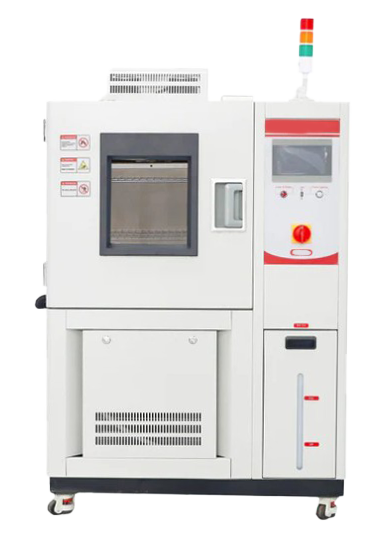
Sensing Technologies utilizes NIST traceable temperature measuring equipment to insure accuracy at tolerances down to ±0.01°C. MIL standard testing includes shock and vibration, temperature, humidity, corrosion, and altitude. |